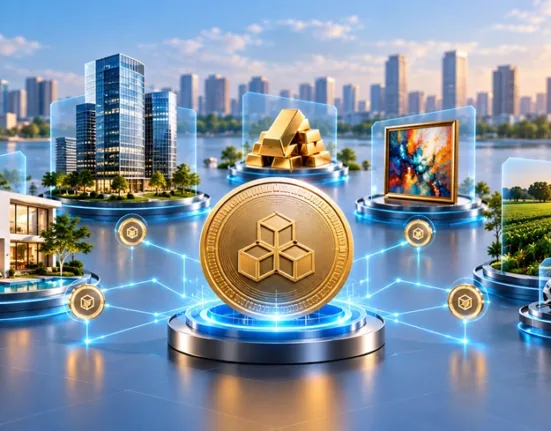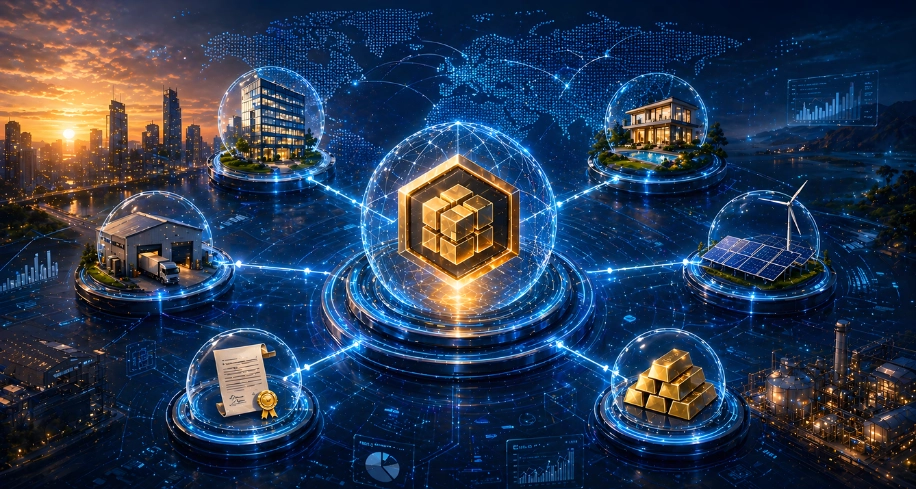
Real-world asset tokenization development is rapidly transforming how assets are owned, traded, and monetized in 2026. From real estate and gold to bonds and intellectual property, businesses are increasingly converting traditional assets into blockchain-based digital tokens to unlock liquidity and attract global investors.
According to industry reports, the tokenized asset market is expected to reach $16 trillion by 2030, signaling a massive shift from traditional finance (TradFi) to decentralized finance (DeFi). This evolution is not just about technology — it’s about creating accessible, transparent, and borderless investment ecosystems where anyone can participate.
But while many understand the concept, the real challenge lies in execution.
How do you actually build a secure, compliant, and scalable RWA tokenization platform?
This guide answers that question with a practical, step-by-step approach. Whether you’re a startup, asset manager, or fintech entrepreneur, you’ll learn how to:
- Convert real-world assets into digital tokens
- Choose the right blockchain infrastructure
- Ensure legal and regulatory compliance
- Build a user-friendly investment platform
- Launch and scale successfully in the Web3 ecosystem
Along the way, we’ll also explore real-world use cases, legal considerations, token standards, and platform strategies that define successful RWA projects today.
What is an RWA Tokenization Platform?
What is an RWA Tokenization Platform?
An RWA tokenization platform is a blockchain-based system that enables businesses to convert real-world assets into digital tokens, allowing them to be owned, traded, and managed in a decentralized ecosystem.
By bridging traditional finance (TradFi) with decentralized finance (DeFi), these platforms transform assets like real estate, gold, bonds, and intellectual property into blockchain-backed tokens that represent fractional ownership.
In simple terms, instead of a single investor purchasing an entire asset, tokenization allows it to be divided into smaller units. For example, a high-value property can be split into thousands of tokens, enabling multiple investors to participate and trade their shares easily. This creates a more liquid, accessible, and efficient investment model.
Why Businesses Are Investing in RWA Tokenization Platforms
The rapid rise of real-world asset tokenization is not driven by hype—it’s fueled by real limitations in traditional financial systems. Businesses today are actively investing in RWA tokenization platforms to unlock new revenue streams, improve liquidity, and expand their global investor base.
As markets evolve, companies are shifting from static asset ownership models to dynamic, blockchain-powered investment ecosystems that offer speed, transparency, and accessibility.
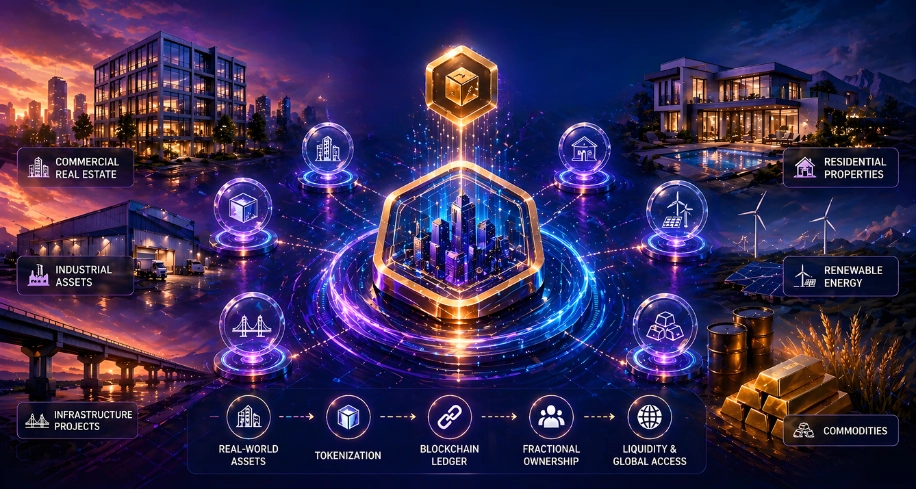
Market Momentum and Future Potential
The adoption of RWA tokenization is accelerating across industries, with major financial institutions and fintech companies entering the space. According to industry projections, tokenized assets could account for a significant portion of global financial markets by 2030.
This growing momentum indicates a clear trend: Businesses that adopt tokenization early gain a first-mover advantage, stronger investor networks, and scalable digital asset models.
For startups, enterprises, and asset managers, investing in an RWA tokenization platform is no longer just an innovation strategy—it’s a competitive necessity. It allows businesses to modernize asset management, improve capital efficiency, and position themselves at the forefront of the evolving Web3 economy.
Step-by-Step Process
Step-by-Step Process to Build an RWA Tokenization Platform
Building a real-world asset tokenization platform requires a strategic combination of blockchain technology, legal compliance, and user-centric design. It’s not just about development—it’s about creating a secure, scalable, and investor-ready ecosystem that can handle real-world assets with transparency and efficiency.
Below is a step-by-step breakdown of how businesses can successfully build and launch an RWA tokenization platform in 2026:
1. Asset Selection and Validation
The foundation of any RWA platform starts with choosing the right asset. Businesses must identify assets that have clear ownership, measurable value, and strong market demand.
- Real estate, commodities, bonds, and collectibles are popular choices
- Asset valuation and due diligence are critical
- Legal ownership must be verified before tokenization
A well-validated asset ensures trust and long-term platform success.
2. Legal Structuring and Compliance
Compliance is one of the most critical aspects of RWA tokenization. Without proper legal frameworks, platforms risk regulatory issues and loss of investor trust.
- Implement KYC (Know Your Customer) and AML (Anti-Money Laundering)
- Align with global regulations such as SEC, MiCA, and FINMA
- Define investor rights and ownership structures
A compliance-first approach makes your platform investor-ready and scalable across regions.
3. Blockchain Infrastructure Selection
Choosing the right blockchain impacts performance, scalability, and transaction costs.
- Ethereum for strong security and ecosystem support
- Polygon for scalability and low fees
- BNB Chain for cost-efficient transactions
- TRON for high-speed operations
The right infrastructure ensures smooth platform performance and future growth.
4. Smart Contract Development
Smart contracts are the backbone of your platform, automating critical processes and reducing manual intervention.
- Token issuance and ownership management
- Revenue or dividend distribution
- Transaction validation and execution
All smart contracts must be thoroughly tested and audited to ensure security and reliability.
5. Token Creation and Standard Selection
Selecting the right token standard is essential for compliance and functionality.
- ERC-20 for fungible assets
- ERC-721 for unique assets
- ERC-1400 for security tokens
These tokens represent fractional ownership and define how assets are traded and managed.
6. Platform Development (Frontend & Backend)
A successful RWA platform must offer a seamless and intuitive user experience, similar to modern fintech applications.
- Investor dashboard with asset insights
- User-friendly onboarding and KYC process
- Wallet integration (MetaMask, WalletConnect)
- Payment gateway integration
A well-designed platform improves user engagement and investor retention.
7. Custody and Asset Management Integration
Ensuring that digital tokens are backed by real-world assets is critical for trust and transparency.
- Integrate secure custodial services
- Implement proof-of-reserve mechanisms
- Maintain real-time asset verification
This step ensures credibility and protects investor interests.
8. Marketplace and Liquidity Development
Liquidity is what makes tokenization truly powerful. Without it, assets remain difficult to trade.
- Enable secondary market trading
- Integrate liquidity pools and DeFi features
- Allow peer-to-peer asset exchange
A strong liquidity layer increases platform adoption and investor activity.
9. Security Implementation and Audits
Security is non-negotiable in blockchain platforms, especially when dealing with real-world assets.
- Conduct smart contract audits (CertiK, Hacken)
- Use multi-signature wallets
- Implement data encryption and fraud detection systems
Robust security measures build investor confidence and platform credibility.
10. Launch, Marketing, and Scaling Strategy
Once development is complete, the focus shifts to growth and adoption.
- Launch investor onboarding campaigns
- Build partnerships with asset providers and institutions
- Implement liquidity and token listing strategies
- Continuously update and scale the platform
A strong go-to-market strategy ensures long-term success and competitive advantage.
RWA Tokenization Use Cases in Real Estate
RWA Tokenization Use Cases in Real Estate
Real estate is one of the most powerful and widely adopted use cases of real-world asset tokenization. Traditionally, property investment has been limited by high capital requirements, complex legal processes, and low liquidity. RWA tokenization transforms this landscape by converting physical properties into digital tokens, making real estate investment more accessible, flexible, and efficient.
By leveraging blockchain technology, businesses can tokenize residential, commercial, or industrial properties and allow investors to own fractional shares instead of purchasing entire assets. This not only lowers the entry barrier but also opens real estate markets to a global pool of investors.
How Real Estate Tokenization Works
In a typical model, a property is evaluated, legally structured, and then divided into digital tokens that represent ownership shares.
- A property worth $5 million can be split into thousands of tokens
- Each token represents fractional ownership of the asset
- Investors can buy, sell, or trade tokens on a marketplace
- Rental income or profits can be distributed automatically via smart contracts
This approach turns traditionally illiquid real estate into a liquid, tradable digital asset.
Key Benefits of Real Estate Tokenization
Real-World Applications
Real estate tokenization is already being implemented across multiple segments:
For real estate developers and asset managers, tokenization creates new funding opportunities and faster capital access. Instead of relying solely on banks or large investors, businesses can raise funds directly from a global audience through tokenized offerings.
This not only accelerates project funding but also increases asset utilization and investor engagement. Real estate tokenization is just the beginning. As adoption grows, it is set to redefine how property is owned, traded, and monetized in the digital economy.
RWA Tokenization vs Traditional Asset Investment
RWA Tokenization vs Traditional Asset Investment
Understanding the difference between traditional asset investment and RWA tokenization helps businesses and investors clearly see why tokenization is gaining rapid adoption in 2026. While traditional models have been in place for decades, they often come with limitations that restrict accessibility, liquidity, and efficiency.
RWA tokenization, on the other hand, leverages blockchain technology to remove these barriers and create a more flexible and inclusive investment ecosystem.
| Factor | Traditional Asset Investment | RWA Tokenization |
| Ownership Model | Full ownership required | Fractional ownership through tokens |
| Investment Size | High capital required | Low entry barrier for investors |
| Liquidity | Low (hard to sell quickly) | High (tradable on digital platforms) |
| Accessibility | Limited to specific regions | Global investor access |
| Transaction Speed | Slow (days to weeks) | Near-instant settlement |
| Transparency | Limited visibility | Fully transparent via blockchain |
| Intermediaries | Multiple (banks, brokers) | Minimal (smart contracts) |
| Trading Hours | Fixed market hours | 24/7 trading availability |
| Cost Structure | High fees and paperwork | Reduced costs through automation |
| Security | Depends on centralized systems | Blockchain-based, tamper-proof |
Key Takeaway
Traditional investment models are often restricted by high costs, slow processes, and limited access. In contrast, RWA tokenization introduces a more efficient system where assets are liquid, accessible, and transparent.
For businesses, this shift means the ability to unlock global capital, improve asset utilization, and create scalable investment opportunities. For investors, it opens the door to markets that were previously out of reach.
Security Tokens vs Utility Tokens Explained
Security Tokens vs Utility Tokens Explained
When building an RWA tokenization platform, choosing the right type of token is critical. The two most common categories are security tokens and utility tokens, and understanding the difference between them is essential for legal compliance, platform design, and investor trust. While both exist on blockchain networks, their purpose, regulation, and value proposition are completely different.
| Factor | Security Tokens | Utility Tokens |
| Purpose | Represent ownership in real-world assets | Provide access to a product or service |
| Backing | Backed by real assets (real estate, equity, bonds) | Not backed by physical assets |
| Regulation | Highly regulated (SEC, MiCA, FINMA) | Less regulated (varies by jurisdiction) |
| Investor Rights | Includes profit sharing, dividends, or voting rights | No ownership or profit rights |
| Use Case | RWA tokenization, investment platforms | Platform access, fees, rewards |
| Risk Level | Lower risk (asset-backed) | Higher risk (depends on project utility) |
| Compliance Requirement | Mandatory KYC/AML and legal frameworks | Limited compliance requirements |
| Examples | Tokenized real estate, equity tokens | Platform tokens, in-app currencies |
RWA Tokenization Legal Compliance Guide
RWA Tokenization Legal Compliance Guide
Legal compliance is one of the most critical pillars of real-world asset tokenization. While blockchain enables transparency and efficiency, RWA platforms must operate within established financial regulations to ensure legitimacy, investor protection, and long-term scalability.
Without a strong compliance framework, even the most advanced tokenization platform can face regulatory challenges, restricted market access, or loss of investor trust. This is why businesses must treat compliance not as a barrier, but as a growth enabler.
Key Regulatory Frameworks to Consider
Different regions have introduced guidelines to regulate tokenized assets and digital securities. Understanding these frameworks is essential before launching your platform.
Essential Compliance Requirements
To build a legally sound RWA tokenization platform, businesses must integrate compliance into the core system architecture.
Top RWA Tokenization Platforms in 2026
Top RWA Tokenization Platforms in 2026
As real-world asset tokenization continues to gain momentum, several platforms have emerged as leaders in the space. These platforms demonstrate how blockchain can be successfully used to tokenize assets, ensure compliance, and provide liquidity to global investors.
Understanding these platforms helps businesses benchmark features, identify market trends, and build more competitive RWA tokenization solutions.
| Platform | Core Focus | Key Features |
| RealT | Real estate tokenization | Fractional property ownership, rental income distribution |
| Securitize | Security token issuance | Regulatory compliance, investor onboarding, asset tokenization |
| tZERO | Digital asset trading | Regulated marketplace, secondary trading for security tokens |
| Polymath | Token infrastructure | Security token standards, compliance-focused development |
| Ondo Finance | Tokenized financial products | Exposure to traditional financial instruments via DeFi |
What Makes These Platforms Successful
These leading platforms share common success factors that every new RWA project should consider:
Cost to Build an RWA Tokenization Platform
The cost of building a real-world asset tokenization platform depends on multiple factors, including features, blockchain selection, compliance requirements, and security standards. Since RWA platforms involve both technical and legal complexity, pricing can vary based on the scale and customization level.
Investing in a well-built platform ensures long-term scalability, security, and investor trust—making it a high-value digital asset rather than just a development expense.
Why Choose KIR Chain Labs
Why Choose KIR Chain Labs for RWA Tokenization Development
Choosing the right development partner is crucial for building a secure and successful RWA tokenization platform. KIR Chain Labs stands out as a trusted blockchain development company with a proven track record in delivering scalable and compliant Web3 solutions.
With over a decade of experience and 2500+ successful projects across 80+ countries, KIR Chain Labs helps businesses transform real-world assets into powerful digital investment ecosystems.
KIR Chain Labs doesn’t just build platforms—we help businesses create future-ready financial ecosystems that are secure, compliant, and globally accessible.
Conclusion
Real-world asset tokenization is redefining how assets are owned, traded, and monetized in the digital era. By combining blockchain technology with traditional finance, businesses can unlock liquidity, enable fractional ownership, and connect with a global investor base like never before.
As the market continues to evolve, building a robust RWA tokenization platform is no longer just an innovation strategy—it’s a competitive advantage. Businesses that adopt early can position themselves at the forefront of the Web3 economy and capitalize on emerging opportunities in decentralized finance.
From selecting the right assets and ensuring compliance to developing secure infrastructure and enabling liquidity, every step plays a crucial role in building a successful platform.
Partnering with an experienced blockchain development company like KIR Chain Labs ensures that your platform is not only technically sound but also scalable, compliant, and ready for real-world adoption.
If you’re looking to launch your own RWA tokenization platform, now is the time to take the next step and turn your vision into a high-performing digital asset ecosystem.
Frequently Asked Questions
Frequently Asked Questions (FAQs)
1. What is real-world asset (RWA) tokenization?
Real-world asset tokenization is the process of converting physical or financial assets—such as real estate, gold, or bonds—into digital tokens on a blockchain. These tokens represent ownership and can be traded, transferred, or managed digitally.
2. How does an RWA tokenization platform work?
An RWA tokenization platform digitizes assets by creating blockchain-based tokens that represent fractional ownership. These tokens are issued through smart contracts and can be bought, sold, or traded on a marketplace, enabling liquidity and global access.
3. What are the benefits of RWA tokenization?
RWA tokenization offers several advantages:
- Global accessibility for investors
- Fractional ownership with lower investment barriers
- Increased liquidity for traditionally illiquid assets
- Transparent and secure transactions via blockchain
- Faster settlement and reduced operational costs
4. Which assets can be tokenized?
Almost any asset with measurable value can be tokenized, including:
- Real estate (residential and commercial)
- Commodities (gold, silver, oil)
- Financial instruments (stocks, bonds, funds)
- Art and collectibles
- Intellectual property and royalties
5. What is the difference between security tokens and utility tokens?
Security tokens represent ownership in real-world assets and are regulated by financial authorities. Utility tokens, on the other hand, provide access to a platform or service and do not represent ownership or investment rights.
6. Is RWA tokenization legal?
Yes, RWA tokenization is legal in many jurisdictions, but it must comply with local regulations such as SEC (USA), MiCA (Europe), or FINMA (Switzerland). Proper KYC/AML procedures and legal structuring are essential for compliance.